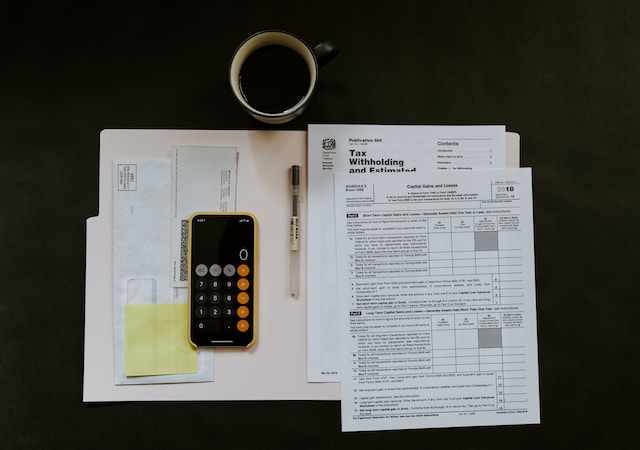
Smart accounting software automates many processes and streamlines others for a more efficient workflow. These tools allow you to make better decisions for your business and save time, money and resources.
The Smart Accounting tool looks at the ensemble of observations in a proposal to see if any observations can be scheduled together as a group, called a Same Scheduling Set. This reduces the number of assumed major slew changes needed, which reduces the overall resource estimate for the proposal.
Streamlined Processes
When your accounting process is automated, you’ll find that it takes less time to complete key tasks. Accounting automation software (such as SoftLedger) makes calculations automatically, which helps to reduce the likelihood of errors that occur when humans are calculating manually. Ultimately, this translates to shorter turnaround times for deliverables like invoices and financial reporting.
Automating accounting processes is a great way to reduce the amount of manual work that needs to be done by your finance team, freeing up their time and brainpower for more strategic projects. This can help you meet deadlines more reliably and ensure that your accounting is always accurate, which is a critical aspect of any business.
For example, if you’re using a system like Smart Accounting, you can use the program to streamline processes such as billing and invoicing, warehouse management, inventory control, and much more. You can also use the platform to track your cash flow, gain insights into sales performance, and make decisions based on up-to-date, accurate data.
The beauty of this type of software is that it can be integrated with your existing systems, so your different accounting tools will work together seamlessly. This will make it easier to transfer data between systems, so you don’t have to spend valuable time checking and copying information from one tool to another. The result is faster, more reliable accounting that saves your finance team hours of tedious work and helps you hit key goals such as monthly reporting and the financial close.
If you haven’t yet used a smart accounting system, it may take a while for your current data to be imported. However, once this is done, you’ll be able to leverage the power of the system for all your operations. This is a huge step forward from the traditional method of using spreadsheets to manage your accounting, which can be difficult and time-consuming.
In addition to streamlining the number of assumptions made for major slews, Smart Accounting also looks at the ensemble of observations in a proposal and decides which ones might be logically scheduled together as a “same scheduling set” (SSS). This results in a reduced total resource assessment that is then reported on the Proposal Information page.
Detailed Reports
As an entrepreneur, your time is precious and financial management and accounting issues can often take up too much of it. That’s why our Smart Accounting solution is designed to simplify your work and streamline your processes.
By using a smart accounting system, you can keep track of all your expenses, income, and other activities in one place. This allows you to make informed decisions about your business and improve its performance. It also saves you the hassle of tracking expenses and receipts manually, as everything is digitalized.
Compared to Summary reports, which only report off a simple flat table, detail reports use additional tables that allow you to drill down into your data. For example, if you create a Customer List report (to do this, follow the steps found in Creating a new report, but on step 3 when choosing your Base Table, select Customers), then you can choose to add an InvoiceCustomerRef Detail Table. This will allow you to display all of the invoices that are associated with a specific customer within your report.
You can view and download all of your Detailed Reports by visiting the Detailed Reports tab in the Workspace. You can also export your Detailed Reports as PDF or CSV files, and adjust the size of each column. This way, you can easily customize your Detailed Reports to suit your needs.
In addition to reporting, our smart accounting system offers features that can help you reduce manual errors in billing and compute taxes like TDS, VAT, and TCS. It can also increase productivity and improve ROI with expense management. With military-grade security and direct encrypted connection to Movie Magic Budgeting, you can be sure that your sensitive information is secure at all times.
The Detailed Reports feature allows you to group your time entries by Day, Project Name, Project Code, User, and Time Entry. This means that you can get a more comprehensive view of your data and see how the time is being spent across all projects. It also provides you with the flexibility to edit your time entries directly from the Detailed Reports page. This is particularly useful if you need to add additional fields such as Project, Client, Description, Task, User, or Tags for each time entry.
Real-time Access to Information
With a cloud-based accounting system, it is much easier for users to get access to important information, no matter where they are. For example, if a team member receives a document digitally, it can be instantly entered into the program’s ledger, then automatically filed in the right folder. This means no more trawling through a filing cabinet to find old invoices or proof of purchase receipts. Similarly, many modern accounting tools are able to integrate with other systems that can automatically transfer data into the program. This can include point-of-sale software, payroll, inventory and third-party time or mileage tracking systems.
Using an accounting tool can also save businesses money and time when it comes to tax preparation. For example, it can be used to automatically reconcile bank transactions with bills and invoices – so when tax season rolls around, there is no need for a manual process. Some programs even suggest potential matches as you reconcile, reducing the number of tedious hours it would take to manually sift through bank statements for this information.
Another big time-saver is the ability to create instant reports that can give you a snapshot of the state of your business’ finances. For example, you can get a breakdown of how much revenue your sales are making and see which customers are providing the most profit. This allows you to make better decisions about how to invest your resources and improve profitability and cash flow.
In addition to these time-savers, modern accounting software can be integrated into a wider business ecosystem so that different functions communicate with each other automatically. For example, the most popular options include Microsoft Dynamics GP and BlackLine, both of which combine accounting with a range of other vital business functions, including financial planning, purchasing and supply chain management.
APT’s Smart Accounting is a tool that runs within the ensemble of proposed observations, looking at which sub-groupings might logically schedule together as part of what it calls a same scheduling set (SSS). By doing this, it can reduce the number of assumed major slew changes that are charged for each proposal, resulting in a reduction in the total resource estimate reported for the entire proposal.
Easy Integration
A well-designed integrated accounting system can reduce manual data entry across your entire business ecosystem. This means that any transaction or booking that is made in your spend management software, CRM, point-of-sale system or even third-party time or mileage tracking systems can be automatically reflected in your bookkeeping system. This removes a lot of unnecessary work for your accounting team and improves accuracy across your whole finance ecosystem.
You can also use an accounting platform that ties in with your banking system and credit card accounts to automatically pull in transactions and balances so that the books are always up-to-date. This helps to prevent a lot of the problems that come with manual entry, such as mismatched deposits and payments.
When choosing an integrated accounting tool, look for one that can connect with other important business programs, such as payroll, payment processing, the best point-of-sale system and even inventory management solutions. This will make it easier to transfer data between programs and reduce the amount of manual work needed to update records. Look for a system that supports multiple currencies too, so you can conduct international business with ease.
Integrated accounting tools that integrate with your other financial programs are also useful for preventing fraud and duplicate payments. If a booking is made on your company travel management solution and it is not updated in your accounting system and general ledger (GL), there is a risk that the payment will be recorded twice, which can be very costly for the company. By using a smart integrated accounting system, this problem is eliminated and your finances remain safe and secure.
The smartest integrated accounting systems offer cloud-based integration tools that are encrypted, so your information stays protected. This is especially important if your business handles sensitive financial information. EP’s new SmartAccounting, for example, uses a direct, encrypted connection with Movie Magic Budgeting to eliminate the need to send budget files via insecure email.
A good accounting system should also allow you to invite accountants and others to look over the books remotely. This will help you to find out if your accounting processes are on track and if there is any reason for concern. A great accounting system will make this easy and won’t count added users against your plan’s user limits.